The Loneliness Behind the Success: What Founders Don't Tell Their Investors
What this conversation covers
Building a company can be lonely. Behind the growth, milestones and fundraising wins, founders often face pressure, fear of failure and mental health challenges they rarely discuss openly.
In this episode, Laurent Notin sits down with Yael Benjamin and Carina Schulte, co-founders of the Inner Circle by Startup Snapshot, to explore the hidden personal cost of entrepreneurship and why founder well-being deserves far more attention.
They discuss why founders often hide their struggles from investors, how a lack of communication affects both leadership and team performance, and why vulnerability should be seen as a strength rather than a weakness.
The conversation also explores the role of VCs in supporting founder mental health, the misconceptions surrounding coaching and therapy, differences in how founders seek support, and the new anxieties emerging around AI.
Most importantly, they challenge the startup ecosystem to rethink how it supports the people building companies. Because founder well-being isn't separate from business performance. It is a critical part of it.
Key takeaways from this episode
- The hidden cost of entrepreneurship: Founders face unique pressures, including loneliness, fear of failure and the constant weight of responsibility.
- The founder-investor communication gap: Many founders hide their struggles because they fear losing investor confidence or creating unnecessary concern.
- Founder well-being affects the whole team: A founder's mental health has a direct impact on team dynamics, employee well-being and retention.
- Vulnerability is a leadership strength: Open communication builds trust and creates healthier working relationships.
- Coaching and therapy are not signs of weakness: Founders need different forms of support at different stages of their journey.
- VCs have a responsibility: Investors should play a more active role in supporting founder well-being, not just measuring business performance.
- The impact of AI: New technologies are creating additional uncertainty and anxiety for founders.
- A better support ecosystem: The startup world needs higher standards and more professional support for founders.
Meet the guest
Who joined Laurent for this conversation.
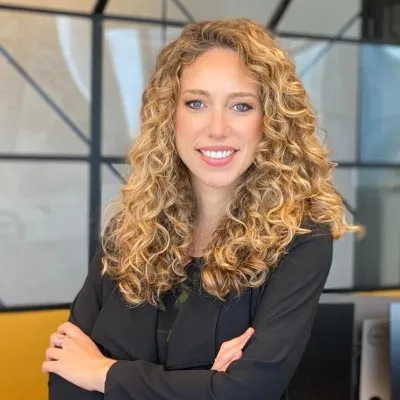
Yael Benjamin is co-founder of The Inner Circle by Startup Snapshot, a community built to support founder well-being. On Founders on the Edge she discusses why founders hide their struggles and what better support looks like.
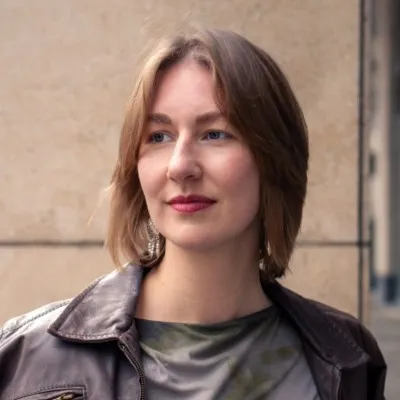
Carina Schulte is co-founder of The Inner Circle by Startup Snapshot, a community built to support founder well-being. On Founders on the Edge she discusses founder mental health, coaching and the role investors play.
Read the full conversation
This transcript was generated with AI and lightly edited, so it may contain errors. Timestamps follow the published audio.
Laurent Notin · 00:05
So what does the research tell us about founders that challenges the way we typically think about them, or about entrepreneurs in general?
Yael Benjamin · 00:14
I think that fear of failure, that data point, fear of failure is one of the biggest fears that are driving founders. And we see all these founders, and it doesn't matter how much money they raised, the fear of failure continues and it even grows a lot of times. And that's showing really how the people behind the company, like their identity is so intertwined with the company, they're always projecting confidence and always kind of in sales mode.
And it's not so much about the role of AI in coaching, it's how AI is affecting the mental state, the anxiety, the fears of founders, and how it's shifting their well-being now. Since obviously a lot of these founders raise a lot of money, suddenly AI comes into the picture. There's risks that they'll be obsolete. Their investors are pushing them, and investors have no idea what's happening.
Carina Schulte · 00:55
But I think also in addition, I just want to add to that, from my practice or also when I had interviews with founders, I also noticed that there's a tendency that they want to fix the business problem, and they are never thinking that it might be related to a personal perspective on things, that they might benefit from reflecting on their own behavior. They really want to focus on: I want to solve this problem now. And there's a hesitation of looking a little bit deeper.
Laurent Notin · 01:28
Welcome to Founders on the Edge. I'm Laurent Notin, executive coach and founder of InnerEdge. This show is about what happens as a business grows and the way its founder has to evolve with it.
For the first episode, I wanted to start with something very special. Joining me are Yael Benjamin and Carina Schulte, co-founders of the Inner Circle by Startup Snapshot. The Inner Circle is a private, invitation-only network of coaches, therapists and well-being experts who support entrepreneurs. I'm proud to be one of its early members. The community brings together experienced practitioners, exclusive research, and opportunities for meaningful peer connection, all focused on improving founder well-being.
So, what makes this conversation special is the perspective Yael and Carina bring. Through their work and their network, they have a unique view of the challenges founders face, what they need as their businesses grow, and how the people around them can better support them. That's what we'll explore today. Welcome Carina, welcome Yael. Thank you for being here today with me, on my first episode. So no pressure.
Yael Benjamin · 02:41
Thank you.
Carina Schulte · 02:41
Thank you for having us. Yay.
Yael Benjamin · 02:44
Very exciting.
Laurent Notin · 02:47
So, first, can I ask you, Yael, to introduce Carina?
Yael Benjamin · 02:50
To introduce Carina. Wow, I would love to. So Carina is my co-founder in the Inner Circle. I think we started working together about two years ago. And we've never met in person, but we work together all day, every day. And it's been one of the greatest things, I think, that's happened to my business the past few years.
About two years ago, I released research on founder mental health and well-being, and Carina and I connected around that. And we realized that founders need a lot more support, but there's no dedicated field. There's no curriculum, there's no really high standards for what it means to be a founder coach. So we launched the Inner Circle. Carina is a brain-based coach. She has a lot of experience in the startup ecosystem, working before in different accelerators and university programs. So she brings really the lived experience of being a practitioner and a coach, and I bring kind of the research and the more data side. And yeah, that's Carina.
Laurent Notin · 03:46
All right. Great. Well, Carina, your turn: introduce Yael, please.
Carina Schulte · 03:51
Yes. Yeah, it made me smile a lot right now, thinking back also two years ago. And now it's also one year that the Inner Circle started, so it's our anniversary in that sense. And I remember when I started to become self-employed and dived into this field, I came across, obviously, Yael's and Startup Snapshot's research, which Yael has been doing for the past seven years, right? For the past seven years. And especially the research on founder mental health and wellbeing, we came to talk about that. And I remember still being a fan in the beginning, and then we started talking also about my perspective as a coach.
Yael had talked to so many coaches and practitioners throughout that research. And she was saying to me: Carina, do you also have this experience that coaches are all by themselves, advocating for these topics, that this is important in the ecosystem? And she was saying to me: well, let's do something about this. We need to bring everyone together, we need to build a collective, a community where everyone is doing this in the ecosystem, but not alone anymore. And I really loved the idea. And since then, yeah, we are day in and day out in contact, even though we haven't met in person yet.
Laurent Notin · 05:07
So you started talking about it a little bit already in the introduction, but why did you build a community for coaches, therapists, people supporting founders, instead of building another community for founders themselves?
Yael Benjamin · 05:23
Yeah. So I think it came out through the data, and that was the research that Carina and I mentioned, The Untold Toll, that really showed what a big toll starting a startup has on a founder's mental health, and how much there's still a lack of support. Only 23% of founders said that they worked with a coach, but 72% said that being an entrepreneur really impacted their well-being and their mental health. So obviously there's a big gap here.
And a lot of the coaches that reached out to me, hundreds of coaches that reached out during those years, and the conversations that I had with them, I really saw that there's still a huge gap here for founder support to be a really professional field. And maybe that's why the numbers are so low. And we need to really, really raise the bar. Nowadays anyone can call themselves a coach. There were a lot of founders turned coaches, a lot of, you know, people that were doing it kind of as a side hustle. And it was really important for us to say: how do we raise the bar? How do we make this a really professional field, and in that way really affect the founders, versus going to the founders themselves?
Laurent Notin · 06:19
Yeah. Carina, do you want to add anything?
Carina Schulte · 06:23
Yeah, just that I also had the personal experience, and what I said already before, that practitioners really are active. Also when you see them, when they start working with founders in universities or accelerator programs. But I always had the feeling everyone is kind of an expert for themselves. They don't work in a team anymore. And that's also one experience that we talked about a lot, that it's also hard for a practitioner when you worked maybe before in big companies or in teams, or even small companies like startups, which we have a lot also in the community, that worked in those fields before. And then suddenly you don't have a team anymore. You're working for these things alone, you're active in the ecosystem, and somehow it's still not, yeah, going through in that sense. So I think it's very important to build something to hold the back of the practitioners who do such important work.
Laurent Notin · 07:21
So what are you hoping to achieve with the Inner Circle?
Yael Benjamin · 07:26
Yeah. I think the best way that sums it up is our manifesto. You were part of that as well. About a year ago, we got together the founding members and we had a co-creation session where everyone took part in creating a shared manifesto for this collective, and kind of what we stand for as a community and where we see this heading. And our vision statement that came out of that session was that we see a world where effective founder support is a competitive advantage for people building ventures, and not a last resort. And all the practitioners that are offering that support are seen really as a critical part of infrastructure in the startup ecosystem.
So, like anyone would have, you know, a tech coach or a finance coach or an HR specialist, now every founder... hopefully, you know, it's gonna take some market education, but we're kind of trying to shift to a world where every founder would have a person supporting them on the psychological, on the mental side as well.
Laurent Notin · 08:18
Yeah. So I'm a coach myself, as you guys know. And I always wonder why people, or founders, don't get a coach. What's your point of view?
Carina Schulte · 08:32
I think sometimes... I mean, it's very different reasons, I would say, right? So it also depends on what stage the founder is in and so on. But I think a lot of founders sometimes either don't yet know what it means to have a coach or a therapist. Sometimes it's still stigmatized, depending on which country we're talking about. I think in the US it's way more common than, for example, in Germany, and I assume also in Finland potentially. That's one point, I would say.
And then of course we had a short discussion also before, Laurent, saying that early-stage founders don't have the financial foundation to maybe pay a coach, or they see it currently, as we said, still as a last resort. It's not the first thing that you think about when you want to build your company, because it's like: okay, when it's very, very bad, then I'm going to check what I can do, because first of all I have to take care of all the other fires that are on the horizon currently. I would say that's a huge part.
Yael Benjamin · 09:36
Yeah. I think there's also this narrative in the startup ecosystem that this is like the startup grind and it's part of building, and you hear all about all these famous founders that worked all night from their garage, and hustle culture. And we still see, when I'm scrolling through LinkedIn, I see a lot of posts by investors, by founders, that talk about how hard they're working and how this isn't a job for the weak. It's a badge of honor in some way. So I think there's a narrative in the ecosystem that needs to shift as well.
Laurent Notin · 10:00
So that's a great point, because it links to my next question. You've done a lot of research on founders, on VCs, if I'm not wrong, and also on employees. So what does the research tell us about founders that challenges the way we typically think about them, or about entrepreneurs in general?
Yael Benjamin · 10:22
It's interesting. I can bring up a few short, small data points and then let's see which ones are the most interesting. I think that fear of failure, that data point, fear of failure is one of the biggest fears that are driving founders. And we see all these founders, and it doesn't matter how much money they raised, the fear of failure continues and it even grows a lot of times. And that's showing really how the people behind the company, like their identity is so intertwined with the company. They're always projecting confidence and always kind of in sales mode. But behind that, as Carina said, there's always these fires to put out, but there's always a bigger challenge. It's like more money, more problems, and they always have a lot of fears behind that as well.
I think another one is the relationship between the founder and the investor. I see a lot of founders that I speak with, you know, looking for an investor and thinking about how this investor promised to be a value-add investor, and they have a portfolio team and they're gonna really help the company grow. And a lot of times that doesn't end up being the case. And our data showed that investors were in last place in terms of where founders go to for support. So if the spouse or friends are in first place, the co-founder is somewhere in the middle. Not all founders are open with their co-founder. And in last place is the investor. So that creates a lot of issues in the ecosystem, I think, that people are just starting to talk about. Founders a lot of times hide bad news from their investors, they wait to tell them. And that creates a lot of issues later on.
Laurent Notin · 11:47
Right, right. Can you tell us a little bit more? Why does it create issues, and first, why do they hide things from investors?
Yael Benjamin · 11:58
Yeah, we have a lot of sessions about this in the community. And I think a lot of the members, a lot of the coaches that work with founders, raise this as a huge issue, both with the founders that they're supporting, that they open up about the issues they're facing with their investors, and also when they reach out to investors to try to talk about founders getting support, kind of the pushback that they're getting.
I think that, first of all, there's inherently built into this ecosystem, I'll call it, some sort of conflict of interest. So for an investor, you know, it depends if you're a young fund or an older global fund. You always have to think about what's the return for your LPs, and when is the fund lifecycle over, and how do you have to show that return? And for the founder, that doesn't always correlate to their own well-being and what they're going through. So I think founders are kind of in sales mode, they're really excited, they get an investor to join the board, to invest, and then it's really difficult to open up, because that investor wants a certain return. That investor might also potentially invest again. So the founder keeps on being in sales mode and keeps on pretending that everything is fine and everything is great, and trying to please the investor in some way. And that kind of dynamic causes a lot of issues. It's not always a true partnership.
Laurent Notin · 13:11
Yeah. Carina, as a practitioner, do you see that also in your practice?
Carina Schulte · 13:17
So I have to say that I mainly focus on working with early-stage founders. So most of them didn't have funding yet, but you can see it in all kinds of relationships. I would also say, when you see, for example, co-founder relationships, they are also a dynamic that influences the company's success immensely. And from what we've discussed already, or what the data also shows, the investor-founder relationship by its nature, right? So the founder being dependent on the money, on the funding, and the investor, on the other hand, of course, not really having the agency to do things as they might want to, or having the control over the situation, is such a loaded relationship that it doesn't surprise me that it has this effect, and that especially founders are, yeah, hesitant maybe to share their most vulnerable perspective with exactly that person. Because, I mean, in general they are not openly talking about it. So I can understand that the investor might currently be the last person to go to in that situation.
Laurent Notin · 14:22
Yeah. I have one of my best clients, very successful. He sold his company for a lot of money. He told me several times: I may have been perceived as being successful, but inside I was a complete failure.
Yeah. So how do we connect what you said, the data, with the Inner Circle?
Yael Benjamin · 14:47
So I think they work hand in hand. And it's also why we built it as part of the Startup Snapshot umbrella, where on the one hand there's the research, and then there's this community for the practitioners themselves. And there's a bridge between them. So the research a lot of the times highlights new points that are important for the practitioners and raises issues that are important for us to discuss. And then those become sessions within the community as well.
So we've recently had a very interesting session around the founder-investor relationship. We brought in an investor from a UK-based fund who, the past few years, has been studying to become a therapist as well. And she showed us that relationship from a therapist's lens, and how both sides play a child or a parent role, and how you can work on that communication. And she's starting to really show that to fund managers as well. So I think highlighting things with data to show that they're an issue, and then bringing them into some sort of conversation with the practitioners in the community, with the ecosystem, that's where things are gonna, you know, get a life of their own, and the ecosystem is hopefully gonna start shifting.
Laurent Notin · 15:51
After a year of existence, have you started seeing a little bit of results?
Yael Benjamin · 15:56
In the ecosystem?
Laurent Notin · 15:57
In the ecosystem, or the impact. Any impact that you have been able to see?
Yael Benjamin · 16:03
I think we've seen a lot of impact. Number one, within the community, we've seen a lot of relationships and partnerships that have been formed between the members. We have one beautiful peer group, Carina, you know exactly. We love this. This is like our big fan story. We have a group of four members that have never met in person, and they speak all the time and they've become such close friends. They're based around the world and they're trying to work together to solve this issue. So they're creating a manifesto for what is founder coaching, and they're starting to work with us potentially on creating different products and how we bring things to life within the ecosystem.
So they're really taking an active role and becoming a working group within the community to try to push things forward. Whether things now change in the larger global ecosystem, like whether a VC will now be more open or whether a founder will now be less reluctant to try coaching, that's something that's a long game, I think. It's starting, but it takes time.
Carina Schulte · 17:02
Totally. I think also now in the first year we really focused on bringing this core community of coaches, therapists and practitioners together in that sense. And what I always enjoy a lot, also the session that Yael was just talking about, that was the first time that we talked about the founder-investor relationship from the lens of the investor. And you really noticed in the discussion later on, especially the practitioners who are working mainly with founders, they were like: wow, I have never thought about the pressure that the investor is under. Of course they maybe react like this. So there's an increased understanding for the other perspective. So I'm hoping, or I'm assuming, that this insight then leads to way better support for the founders they work with, if they have these struggles in an investor-founder relationship, because they can take this perspective into consideration and then potentially support the founder better on that end.
Laurent Notin · 18:02
Yeah, I know which presentation it was, and I watched it, and I'm actually trying to get Marina as a guest on this podcast, so she can also share her experience.
Carina Schulte · 18:09
Amazing. Yeah.
Yael Benjamin · 18:12
She is wonderful. She's wonderful.
Laurent Notin · 18:16
Yeah. And I can also testify about the community, because, for instance, I have a client who has ADHD. And I didn't know anything about ADHD, so I found someone, a specialist coach, and I talked to him, and he explained to me some basic things about ADHD. That definitely helped me in approaching my client differently in my coaching sessions. So, yeah.
Yael Benjamin · 18:43
It's amazing.
Carina Schulte · 18:43
Well, that's amazing.
Laurent Notin · 18:44
Absolutely, absolutely. So I want to talk about founder well-being and scaling at the same time. Because we talk a lot about scaling in the sense of, you know, you hire more people, you get more resources, you find investors, you build a structure, you build processes, blah blah blah. Okay. But where does the founder's own development fit into that picture?
Yael Benjamin · 19:16
That's the million dollar question, or the billion dollar question. There's so many different ways to look at it. I remember one session that we had that was amazing with Matt McCall. He's a very well-known investor in Silicon Valley, and he talks about how he sees entrepreneurship as a spiritual endeavor, not in the sense of religious, but in the sense of how do you also develop as a person, and then that is mirrored back into your business as well.
So I think a lot of times when people talk about founder well-being, they think about it as something soft. They think, wow, the founder needs some vacation, or a day off, or time without email or without the team. But really I think there's a much bigger opportunity to think here: how can the founder see this journey, because it's gonna be a long journey, it's gonna be a hard journey, as a way to develop? And then their own abilities and capabilities are brought to the forefront. They come out stronger. It's not a laziness, soft, weak thing, but it's actually a way for them to strengthen themselves and their business.
Laurent Notin · 20:15
Yeah. Do you have any data on what happens psychologically to founders when they move from building a small company to leading something a bit bigger, or scaling?
Yael Benjamin · 20:30
That's interesting. That's a good topic for our next report.
Carina Schulte · 20:34
But Yael, I'm thinking about the latest report that you did. It's maybe not about what happens in this stage, but seeing the influence of founder stress also on the employees in their company. So first of all, they realize it. Secondly, the burnout rate is also increasing amongst the employees, and they don't feel safe enough anymore in the space. So maybe you can elaborate also on this.
Yael Benjamin · 21:01
Definitely, if we talk about that first jump, where a founder goes from being either in a very small team or a solo founder to starting to build a larger team. Obviously we have our latest report, The Untold Toll: The Employee Edition, that talks about that. And we really saw how the founder's communication style, well-being and mental state really trickle down throughout the whole organization, and how the way that they're setting the tone really affects, later on, the soft interpersonal dynamics, and really affects the KPIs of the employees. So it affects very directly their burnout, their well-being, their retention.
There's a very strong correlation between open communication of the founder, how open they are in talking about what's happening within the startup, and the retention of the employees. When we surveyed early-stage employees, the number one stressor was lack of openness or communication, information on what's happening in the startup, well ahead of long hours, limited salary, stress with employees or deadlines or anything else. Number one was really lack of information, and lack of information from the founder.
So I think in the startup journey, as you progress, there's so much uncertainty and the employees really don't know what's going on. The founder is the only one that sits in the boardroom. They talk to the investors behind closed doors. They're the ones knowing exactly when the money is gonna run out. So giving employees a little bit more visibility into what's happening goes a really long way.
Laurent Notin · 22:25
Yeah, absolutely. Do you think founders realize that?
Yael Benjamin · 22:30
Carina, what do you see?
Carina Schulte · 22:32
I'm not one hundred percent sure that they are aware of this in that sense, because, also from the discussions that we have with different practitioners on that end, this change from: okay, you are basically the main entrepreneur, you're responsible for everything, you're doing the things yourself, to: okay, now I'm becoming a leader, I'm leading a team, I'm scaling the company. The tasks completely differ.
And I'm thinking that as a founder, you have so much on your plate in terms of change, and what Yael also mentioned, the uncertainty of how the situation develops, that you really have to take active time to become aware of what this means for others in your surroundings. So I'm not one hundred percent sure that, if you don't have a space to actually reflect on this and take the time to be empathetic to your team and team members, this actually reaches the level of consciousness that we maybe want in founders, to better support and lead the company.
Laurent Notin · 23:36
Hm. Okay, so go on, sorry, Yael.
Yael Benjamin · 23:39
Yeah. I was just gonna touch upon that point Carina made, and what we talked about before with the communication and the information. I think founders have this view that they have to be very strong for their employees, similar to what we said before for the investors, in order to create some sort of trust. And you know, there's so many ups and downs. Every day potentially the money's gonna run out, or potentially an investor is not gonna sign, or a client's gonna sign off. So updating their team on all those ups and downs, you know, seems very weak to them. So a lot of them try to hide that in some way.
It's not out of bad intentions, but really out of a desire to create trust within the team. And I think a lot of them aren't aware that really bringing the team in a little bit more on what's happening and showing a bit more vulnerability, obviously it's a scale and it's not bringing them in on every little up and down, but that's really what's gonna strengthen their relationship and strengthen the functioning of the team.
Laurent Notin · 24:31
Yeah. So the message is what? It's okay to be vulnerable, and you need to communicate more to your team because they are expecting it. Is that it?
Yael Benjamin · 24:41
I think yes, to be more open and to learn how to do that in the right way. And I'm sure that there's a lot of coaches that can help with that. There's a lot of different advisors on how to communicate things in a way that creates trust within a team, that creates trust within the founder-investor relationship. Because openness and showing some vulnerability, of 'I'm making a mistake and this is how I'm working my way through it, this is how we're getting out of it, this is our plan', that creates trust in a leader.
Carina Schulte · 25:08
I love that.
Laurent Notin · 25:10
So we just addressed this communication gap between the founder and the team, but I want to go a step up. What about the gap between the founder and the investor? Is there also the same kind of communication gap? Because I remember earlier on in the conversation, you said that founders hide the issues from the investors.
Yael Benjamin · 25:34
Definitely. The same exact, and that's exactly what we saw in the data as well. And the best practice, I think, in a lot of the sessions that we've had with investors, has always been: show us some information, give us visibility, don't wait to report things that are going badly, but do it in the right way. Same as the way that you're communicating with your team. Do it in a way that builds trust. Because investors, if they see how founders are dealing with the downs of the business, that can create confidence, obviously. So they say: okay, there's a struggle, or a hurdle, that obviously is gonna happen for everyone. This isn't a smooth ride for a 10-year exit journey. So this is the way they're dealing with it. I know that they have it, they know what they're doing. So that really builds confidence.
Carina Schulte · 26:16
Yeah. And what we also mentioned before, from the session that we've now discussed several times: the investor obviously wants to have a partnership as well, right? So they want to be eye to eye and have the same information. So from that perspective, there is a high need for this transparency to create this trust, to have a real partnership.
Yael Benjamin · 26:38
Of course. And I think if we're bringing back that session, Carina, there is that interesting part about the anxiety loop that comes out of that, right? So a situation that we see a lot of times is a founder withholds some sort of information, thinking, you know: I don't wanna share that bad news with the investor. It's gonna get them worried. I can fix it in the next few weeks. I'm gonna fix it and then I could be a bit more open.
The investor finds out in some way and they get more anxious, because obviously their role is also to manage the risks in the relationship. They have their responsibility to their LPs. So they're saying: wow, there's some trouble here in this company. Then they stress the founder more. They say: give me more information. They start reaching out, starting to micromanage, starting to want more control. And then the founder again has to hide more. So I think that loop, that anxiety loop, if founders find a way to break that, it could create a lot of value.
Laurent Notin · 27:29
Yeah. So communicate, communicate, communicate. Even if you think you're communicating enough, it's very possible that you're not. Yeah, absolutely. It's all about communication, isn't it?
Yael Benjamin · 27:38
Yeah, with everything. Every relationship.
Carina Schulte · 27:44
Yeah, always. True.
Laurent Notin · 27:47
Yeah. All right. Let's move to what good support looks like in practice. First question: what does it look like? And what do people who want to get help often get wrong?
Carina Schulte · 28:07
Can you repeat the question? Sorry.
Laurent Notin · 28:09
What does good founder support look like? That's the first part of the question. Let's start with this first part: what does good founder support look like?
Yael Benjamin · 28:19
I'm happy to take a stab at it. There's so many answers to this. It's a very good question. I think it obviously depends on the founder, and it depends on what they're facing in some way. And we've had a lot of open discussions in the community about this as well: what is a successful engagement with a founder, and what does that look like? And from the coach side, some coaches say: I want to have a really small number of founder clients and really support them for years. It gives me a lot of satisfaction knowing that I've been with the same person on the journey for a few years.
Laurent Notin · 28:50
That's me, for instance. Yes.
Yael Benjamin · 28:52
Creating that deep kind of relationship. And other coaches are like: okay, if someone needs me for years, then I haven't done my job. I want a very small engagement and I want to quickly help them see results. So I think it really depends, obviously, on the coach and what the founder is looking for. A lot of times they're looking for help through a very specific crisis. We have members in the community that specialize in co-founder support. So they come in when co-founders have some sort of disagreement, which a lot of times already leads to a much bigger issue within the company. They come in and help them solve that. And a lot of times that really opens up the appetite for founders to understand: wow, this was great to have this support. Now I'm going to work with someone longer term and get that ongoing support. I think it really depends on the situation, and it depends on the stage the person's in, obviously.
Carina Schulte · 29:39
Yeah. And I would add to that, or maybe broaden it up a little bit, because I think from a founder's perspective it's very important to not only find the right person for one job, but, for very different reasons, to have kind of a support network in some sense. Because some founders actually shouldn't just work with a coach, but maybe they also need a therapist for certain topics, because this is not the same job. So that is one thing where I think a combination might work.
And I also think, or what the research from Foundology on highly resilient founders showed, is that peer groups, actually talking or having a safe space with other founders who are in the same situation, or maybe have been in the situation that you're in, and having this space to openly talk about these issues, can also be very helpful. So I think it's more a combination that makes really good founder support for different topics, to have this space to be vulnerable and to reflect.
Laurent Notin · 30:46
What are some of the misconceptions about coaching or therapy that you see, or that you have heard, or that your data has shown?
Yael Benjamin · 30:56
I think the number one is that it means that there's a problem in the company. A lot of times, because in early-stage startups the identity of the founder is so intertwined with the identity of the company. In the beginning, you're just selling your skills, your ability to execute that huge vision that you're storytelling, but none of that exists yet. So if the founder has some sort of a problem, then it must mean that there's also a problem in the company. So I think that's the biggest misconception.
How do we shift the narrative from 'it's a weakness, it's a problem' to 'it's a strength'? That means this founder, when they encounter difficulty, is gonna know how to handle it. They have a support network behind them to help them get through those lows. And in this ten-year-plus journey, those lows are gonna come.
Carina Schulte · 31:44
Yeah. And I would also say it depends where you are globally located, because when I think about the loaded definition of coaching in Germany, for example, I know so many practitioners who don't want to call themselves a coach, because they have the feeling it's loaded with these YouTube videos of someone telling you how to make millions in a day. So this is something that they have to fight with, in terms of saying 'I'm a coach', because the term is not secured. It's not a standardized term, besides of course the accreditations.
Laurent Notin · 32:22
Yeah. It's interesting, because a lot of people, you're talking about these YouTube coaches, they always expect to get everything immediately, you know, get a six pack overnight, get rich in 90 days. But this is far from the reality. And I think also, maybe it's not a misconception, but one of the obstacles is the fact that with coaching or with therapy, you have to talk about yourself. And we already know that founders have difficulties communicating with others. So do they also have difficulties talking about themselves and communicating with themselves?
Carina Schulte · 33:04
Yeah. Totally.
Yael Benjamin · 33:06
Definitely. I think a lot of the numbers are also very skewed. Obviously there's a lot more men that are founders than women. And, you know, a lot of them are very strong technologists. So obviously certain groups have a lot more difficulty being open. I think if we're looking at the percentage of founders in general, before being founders, that go to therapy or go to a coach, the numbers aren't gonna be so high. We're comparing it to other populations that are maybe a bit more open.
Carina Schulte · 33:35
But I think also, in addition, I just want to add to that, from my practice, or also when I had interviews with founders, I also noticed that there's a tendency that they want to fix the business problem, and they are never thinking that it might be related to a personal perspective on things, that they might benefit from reflecting on their own behavior. They really want to focus on: I want to solve this problem now. And there's a hesitation of looking a little bit deeper. So I think that's also an issue when we talk about coaching.
Laurent Notin · 34:09
Absolutely. Totally agree. I see that all the time. I want to go back to what you were saying, Yael, because this is an area that we didn't talk about. Are there any differences between male and female founders?
Yael Benjamin · 34:22
Of course. In our data we see it even in the smallest data point about the stigma around support. So obviously male founders have a much bigger stigma around what we call support, but it could be going to a coach, a therapist, an advisor, things like that. So men have much greater difficulty seeing that they need that kind of help.
It was interesting also, and this was very surprising to me, that older founders had less of a stigma. When I'm thinking of my dad's generation, going to a coach or psychologist was much less common than nowadays for the younger generation. But still, the older entrepreneurs had much less stigma. And I'm wondering if that's part of... you know, they've been on this journey. A lot of them were serial entrepreneurs, they've done this a few times, they've maybe failed a few times, and they understand that it's part of the role. So failing, getting up again, getting support, you can't do everything alone. It takes a village. So that's kind of ingrained into the way that they work. And the younger founders have much more stigma around asking for help.
Laurent Notin · 35:24
Yeah. Let's go back to VCs a little bit, because they're very critical in a startup journey. So what responsibility do VCs have for founder well-being?
Yael Benjamin · 35:39
Huge question, right? That I think keeps coming up again and again. It ranges from some saying they have no responsibility, to other VCs saying that they understand the value of it, and they're really funding coaching and support for their founders. So there's a huge spectrum.
But in the end, I think if we can make the argument... and it would be great to have some research on this, but it's so difficult to really quantify what success means. But to really connect the mental state, the well-being of the founder, and business outcomes, showing that data, I think, would strengthen this argument so much. But it's always so difficult, if we go back to what we were talking about in the beginning, because a lot of times different outcomes are beneficial for different sides in the relationship. So what could be a good exit for an investor... the founder that started that company ten years ago might not be left with any kind of percent in the company, or they might have such a small percent that financially it wasn't considered a great exit for them. But if you look also emotionally, maybe it was a great exit. Maybe they got to an IPO, maybe on a personal level they did succeed. So I think defining what success means, and then connecting it to the well-being of the founder, that would be amazing to really make the case for investors to support this.
Carina Schulte · 36:53
I agree on that. And I also think, just putting the responsibility aside, they should have an interest in it. They want the founders to become successful, and you can only be successful if you are still able to lead the company. And if you have a burnout, you're not able to lead the company anymore. So I think that's the most extreme case.
But even thinking back about the fact that founders are not so openly talking with investors, and investors, on the other hand, having the interest in them being open and sharing transparently about the issues, maybe it makes sense to help them have a room, or a safe space, to try out how to reflect on these topics, reflect on the current things that are happening, and then maybe be more open also in that relationship. Because it will always have an effect on the different relationships, whether it be the co-founder relationship, the team or the investor, when you have the opportunity to reflect on your own behavior.
Laurent Notin · 37:54
Yeah. Do VCs need coaching?
Yael Benjamin · 37:56
That would be an amazing, amazing world. In the beginning of the Inner Circle, in the first few months, we had Balderton Capital, which is a huge UK-based VC. They invest across Europe, and one of the partners really started their well-being program. So they have a well-being program for their founders, but one of the investment team partners was on a session in the Inner Circle, and he talked about how he went to coaching and really saw how important it is. And then it was much easier for him to really recommend that to his founders. So I think if investors also have a bit more awareness of what their part is in this dynamic, if they experience coaching, it'll be much, much easier for them to be open about it with the founders.
Laurent Notin · 38:38
Yeah, that's also an experience that I had myself. Not with VCs but with founders: they experience coaching, and then they can talk about it to others and they can recommend it, because they see the value, of course.
The members of the Inner Circle are quite scattered across the world. My show focuses on Europe and European founders. I'm interested in hearing your thoughts: do you see any difference between European founders and American founders? Difference in how they are supported in their well-being, for instance.
Carina Schulte · 39:22
I mentioned it before already, only from the experience of how open founders are in the ecosystem towards these topics. I mean, I can speak from my experiences in Germany, for example. And this topic also comes up now and then in discussions with others, that there is a different perspective on this topic in general. And I think in the States it's way more common to work with coaches in general. I think the therapy topic is also a little bit more accessible. Especially in Germany it's sometimes even still quite hard to get a therapist, because we have a different system on that end. I mean, of course you could pay them yourself, but due to the different systems, due to the different definitions of what coaching means, I think there are definitely global differences between countries when it comes to founder support and how open founders are to go in that direction.
Yael Benjamin · 40:24
Definitely, there's definitely a cultural component. I think also it's hard to call the US one bulk. If we're looking at the West Coast, and we have a lot of members on the West Coast, there's a lot more openness towards everything in Silicon Valley, in LA. There's a lot more openness to well-being, to health, to taking care of your mental state, and on the East Coast as well. If we're talking about the rest of the US, if it's Austin, there's a tech hub, maybe they're more open, but generally the US as a whole, besides the East and West Coast, is a bit less open. And there are pockets in Europe as well that are pretty open. Like London, I'm getting a sense that it's very similar to what's happening in the US. So I think there's pockets there as well.
Laurent Notin · 41:02
After one year of bringing together coaches, therapists, experts working with founders, what have you learned? Any big surprises?
Yael Benjamin · 41:14
Interesting question. I think...
Carina Schulte · 41:16
So I have a personal one. What I really, really love about the Inner Circle and what Yael and I have built there is the culture of all these experts coming together and being collaborative. This is something that surprised me a lot. I mean, I really wanted to work in that direction, but it's still a risk. And I've also had conversations with different coaches in the beginning, where they were hesitant and they were saying: if you put so many experts in a room, won't this be very competitive? Won't there be this 'I'm the expert, here's what I know, I'm better', or whatever? And this is totally not the case.
And I really enjoy that this is working, that they can work together as a collective, as a community, and they see that not every coach can work with every founder in the world. You don't have the time for that. And to really focus on the strengths of each other and bring this together, this really surprised me, and this is also what makes me very happy, obviously.
Laurent Notin · 42:21
Nice.
Yael Benjamin · 42:23
Definitely. I feel like somehow the energy of the different members, everyone is so unique and different in their approach and their background, but their energy is very similar, and their mindset of collaboration and supporting and really raising the bar in this whole field is the same for everyone.
But for me, what really surprised me is that in the end, everyone could talk about innovation, about tech, about what's the newest market trend. This is all funding, but it's all relationships in the end, and it's all person to person. And that's what's underlying all these things that are leading to the success or failure of these ventures. It's the relationships between the different stakeholders, whether it's what we were saying, the founder-investor, the founder-co-founder, the early-stage employees. In the end, it's all basic things, like you have in any marriage or relationship: the communication style, the openness, how do you create trust? Those, I think, are the really big things, and they're not discussed enough.
Laurent Notin · 43:20
Yeah, so that's interesting, because I wanted to touch upon AI a little bit, because we haven't talked about AI yet. Within the Inner Circle community, have there been any discussions around AI, and what is the place of AI in supporting the well-being of founders?
Yael Benjamin · 43:40
We're having a very interesting session this month, actually. And it's not so much about the role of AI in coaching, it's how AI is affecting the mental state, the anxiety, the fears of founders, and how it's shifting their well-being now. Since obviously a lot of these founders raised a lot of money, suddenly AI comes into the picture. There's risks that they'll be obsolete. Their investors are pushing them, and investors have no idea what's happening.
In the past, we talked about this a lot, investors invest in a lot of companies. They had the playbook, they knew what was happening. With AI, both sides are in a lot of uncertainty. Investors have no idea what's the playbook, what's gonna happen in six months. Founders have no idea. So this anxiety that is starting to show in the clients that the coaches are working with, that's a really interesting topic. And it's a session that we have this month.
Laurent Notin · 44:29
Nice. What's your point of view, Carina?
Carina Schulte · 44:30
Yeah. We also have several members who are already active in different countries, also writing articles about this and diving into this discussion of: will there still be coaching with humans, or is AI taking this over? And we also have another session coming up with someone who's actually building a company that focuses on giving coaches the opportunity to work together with a bot.
And what I'm seeing in those discussions is that there is still always this component of a human-to-human relationship that AI won't be able to get into. This feeling of being understood by another human. You will never have this with AI, even if AI might give you very distinct ways of dealing with your situation. There is something about having this conversation with another human that I think will have its place in the future too.
Laurent Notin · 45:36
So you mentioned more talks about AI are coming. So what can you tell me about the future of the Inner Circle? Just promote the Inner Circle a little bit to the community, so you can bring more people.
Yael Benjamin · 45:52
We've been working the first year on really creating this community and getting an amazing group of members into the community. It's application only, so everyone has to apply and really talk about their experience working with founders, their background, the unique approach that they bring into this. So that's kind of been year one.
And now we're also starting to get to stage two, which is: we're working to develop more in-depth courses, so that we can train either members within the community or the general community on how to support founders through very difficult summits that they're dealing with. So if, okay, you reach a co-founder conflict, what happens? How do you support a founder you're working with or coaching through the founder-investor relationship, different aspects of the founder journey?
And I think later down the line, obviously, that can develop into much more of an academy or accreditation, and how do we really raise the standards for this entire field. But our goal now is to really get this information out there to as many people as possible, so that if a coach even has two or three entrepreneur clients, but the rest of his clients aren't, he could learn how to support them in the best way possible.
Carina Schulte · 46:58
Yeah. And I would say also, in addition to building the community amongst practitioners first, we also now took the first steps to go back into the ecosystem, because we also believe that it's very important to tie back to the other stakeholders, like accelerators, universities, or even VCs in the future, and also including founders a bit more in the connection. And this is basically what we now started after the manifesto with our ecosystem initiatives, which we will dive more into in the upcoming weeks and months, and hopefully do this together with our members, to tie back into the ecosystem.
Laurent Notin · 47:35
Exciting times ahead. What's the big dream with the Inner Circle?
Yael Benjamin · 47:41
The big dream is to turn this into an accredited professional field of founder support. So when a coach wakes up in the morning in a few years and asks what kind of niche they want to be in, they'll say: I want to be a founder coach. I want to specialize in that. There's this academy, there's a community that this is what they're dealing with, and I could be the best at my craft. And hopefully, in that way, more founders will have a coach.
Carina Schulte · 48:04
Yeah. And that if someone thinks about founder support, they think about the Inner Circle, I would say.
Laurent Notin · 48:11
Amazing. I'm looking forward to all of this, as a member myself, because we definitely need support. Okay, so it's time to wrap up this conversation. I've got a final question for you. What is the one key message each one of you wants to deliver to, one, the community of coaches, therapists and experts, the founders, and the VCs? And that message can be different.
Carina Schulte · 48:41
I would say, for the community of practitioners: you don't have to do this alone. I really believe that this can be done together, and that would be my message to that group. To founders, I would say: it's okay to talk about it and to open up, and just try it out. I really think: just go in that direction once, try out what it does and observe. And for VCs, I would say it's in your interest to support the founders as well. So those are my three messages, I would say.
Laurent Notin · 49:19
Amazing.
Yael Benjamin · 49:20
Can I ditto Carina's messages? Now that she said it, I was like, she took the words out of my mouth. Yeah.
Laurent Notin · 49:28
So is there anything else, Yael, that we have not talked about and we should mention?
Yael Benjamin · 49:34
I think from my end, for the founders and the investors, they have to start seeing this not as founder well-being, not as a nice-to-have. Mindset is directly correlated to business outcomes. And the more we start talking about that, the more we start understanding that the person is the business: how they make decisions, how stressed they are, how clearly they're able to see what they're working on, that's obviously gonna have a very direct tie to the outcome of the company.
And it's in everyone's best interest for the founder's mindset to be the strongest that it can be. So I think we need to start talking in more simple terms and make this really ingrained into startup building. That's crucial for founders and that's crucial for investors. And in the end, everyone's on the same side in that.
Laurent Notin · 50:20
And on these words of wisdom, we're gonna conclude this conversation. Thank you very much to both of you for being on this first episode of Founders on the Edge.
Is your business running through you?
Take the Founder Dependency Assessment. In five minutes you’ll see how much of the business still runs through you, and where to start loosening it.
More episodes to explore
Continue the conversation with these related episodes.