Why Successful Founders Still Struggle: The Hidden Cost of Building a Business

Building a company is demanding. But the biggest challenge founders face may not be the business itself. It may be what the business demands of them personally.
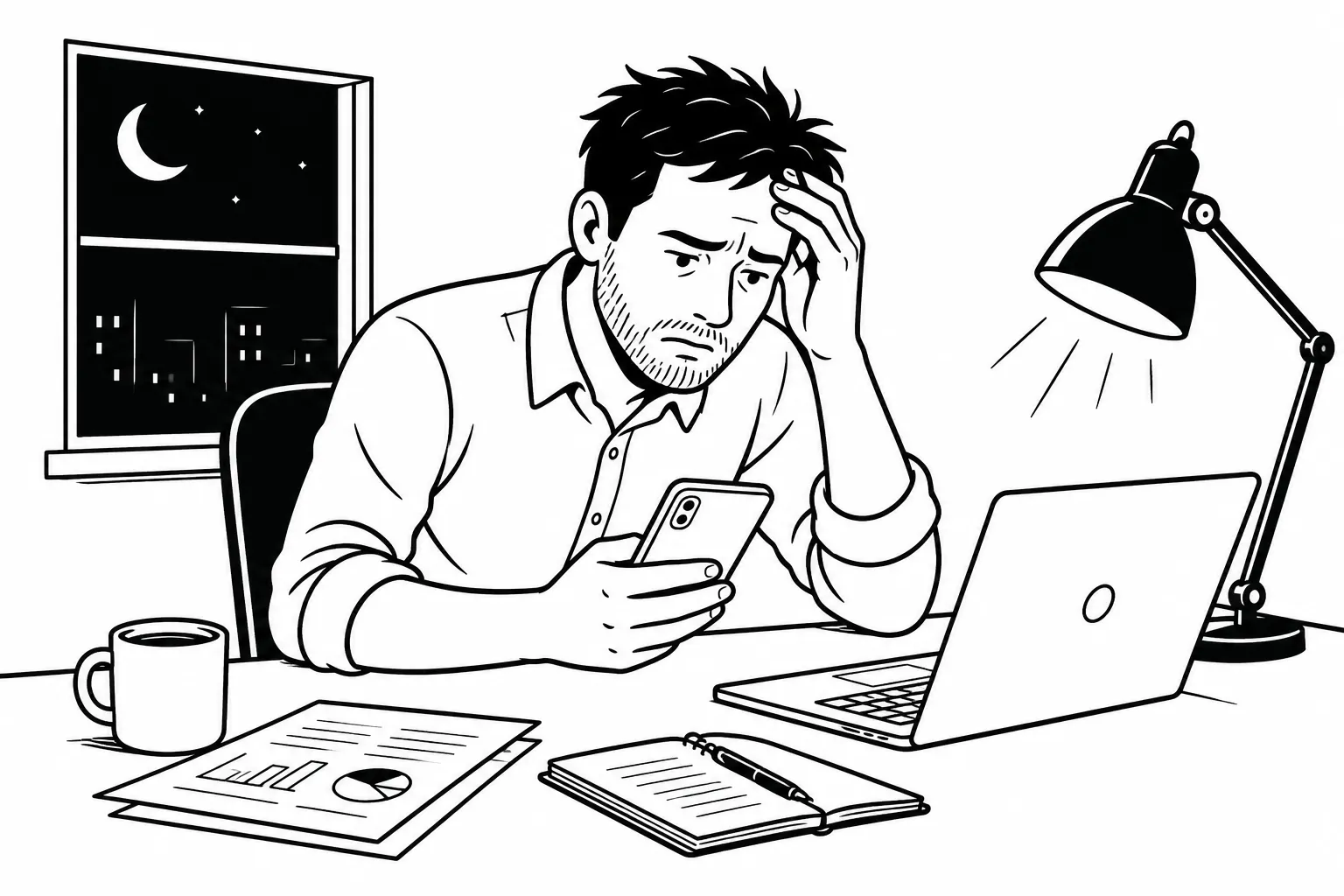
From the outside, a growing company can look like success. Revenue is increasing. The team is expanding. Investors are involved. New opportunities are emerging. Yet behind that progress, founders can experience fear, pressure, uncertainty and isolation. And these challenges don't necessarily disappear as the company grows.
Founder wellbeing is a business issue, not just a personal one. A founder's mental state, decision-making, communication and ability to handle pressure can influence the entire company. As a business grows, the founder must grow too—because the way they lead increasingly affects the people and performance around them.
In the first episode of Founders on the Edge, I spoke with Yael Benjamin and Carina Schulte, co-founders of the Inner Circle by Startup Snapshot, a community of coaches, therapists and wellbeing experts supporting entrepreneurs.
Our conversation revealed some uncomfortable truths about entrepreneurship, leadership and the impact founders have on the people around them.
Why do founders struggle even when their businesses are successful?
One of the biggest misconceptions about entrepreneurship is that success brings relief. You raise funding. You hire people. You grow revenue. You reach milestones. But the pressure often changes rather than disappears.
As Yael Benjamin explained during our conversation, fear of failure remains one of the biggest fears driving founders. It doesn't necessarily disappear after raising money. In some cases, it can even grow. The more a founder's identity becomes intertwined with their company, the harder it can become to separate business challenges from personal challenges.
Every setback feels personal. Every difficult decision carries weight. Every uncertainty can become another source of pressure. Founders are expected to project confidence to investors, employees, customers and partners, even when they don't have all the answers.
That pressure can be exhausting.
Why don't founders ask for help?
Founders are used to solving problems. When something goes wrong, they act. They find solutions. They move forward. This instinct is often what helped them build their company in the first place. But it can also become a limitation.
As Carina Schulte explained, founders often want to fix the business problem immediately, without necessarily exploring whether their own behaviour, perspective or way of approaching the situation is contributing to it. The focus remains on the problem outside them.
There is also a cultural dimension. The startup ecosystem still celebrates hustle, long hours and the ability to push through almost anything. Struggling can become a badge of honour. As a result, founders may see seeking support as something to do when things are already going badly, rather than as a way to become stronger and better equipped for what comes next.
Yet asking for support isn't a sign that something is wrong with the company. It may be one of the best decisions a founder can make for themselves and their business.
Why do founders hide bad news from their investors?
The founder-investor relationship is built on trust. But communicating difficult news is rarely easy. When a company misses its targets, runs into cash-flow problems or faces unexpected challenges, founders may delay telling investors.
They want to fix the problem first. They want to arrive with a solution rather than an explanation. They want to maintain confidence and avoid disappointing people who have invested in them.
But delaying difficult conversations can make things worse. Problems rarely become easier simply because they remain undisclosed. And when information finally comes out, the delay itself can damage trust.
Open communication doesn't mean having all the answers. It means being honest about what is happening, what you know, what you don't know and what you are doing about it. That is a far stronger foundation for trust than pretending everything is under control.
How does a founder's wellbeing affect their employees?
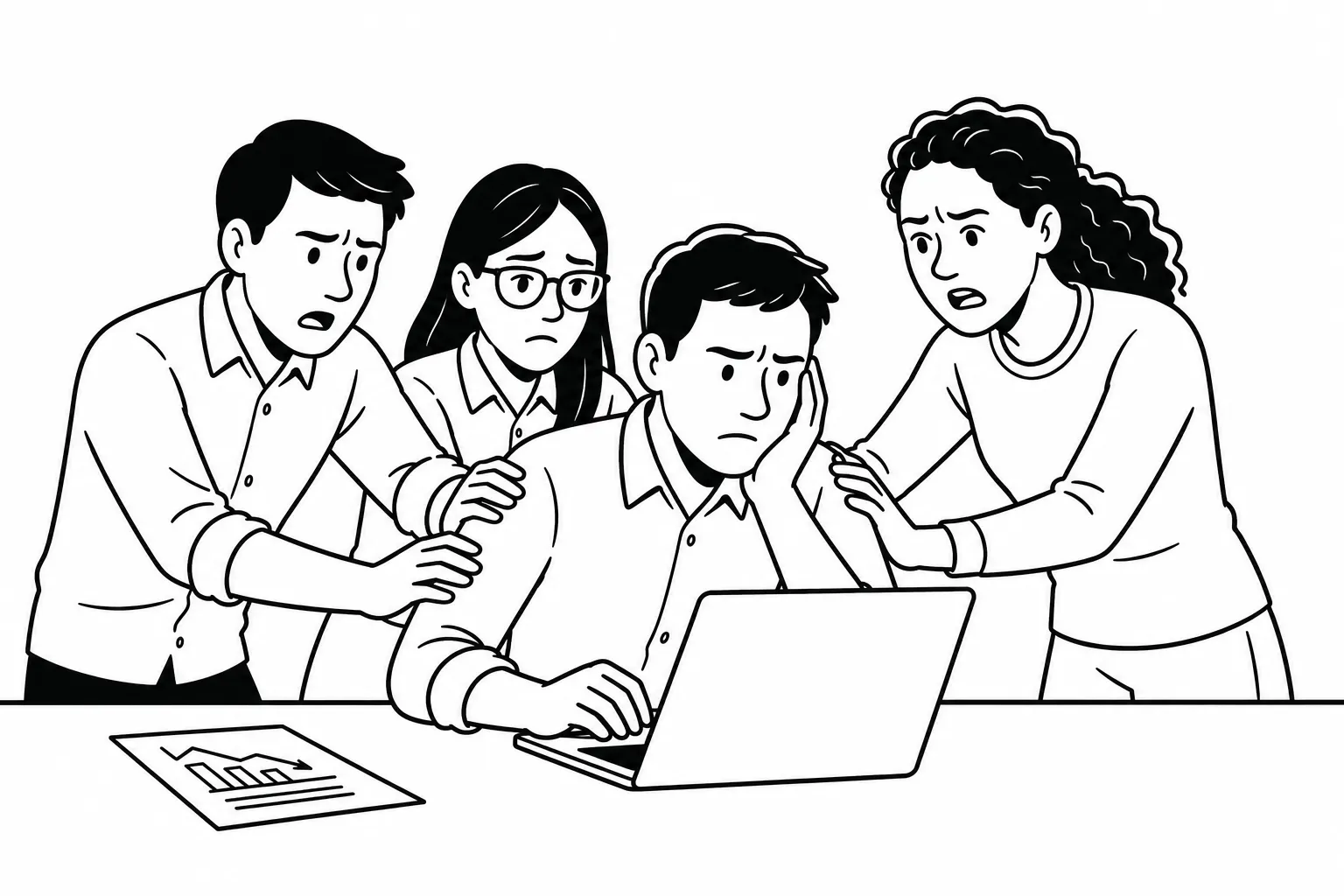
A founder's influence extends far beyond their own workload, decisions and performance. As a company grows, the founder's behaviour, communication style and mental state increasingly influence the working environment of the entire team.
During our conversation, Yael shared findings from their research into the relationship between founder communication and employee wellbeing. One finding particularly stood out: a lack of openness and information about what was happening within the startup was identified as a major source of stress for employees.
Employees are often dealing with uncertainty themselves. They may not know what is happening with the company's finances, its strategy, its investors or its future priorities. The founder, meanwhile, may be trying to protect the team by keeping difficult information to themselves. But silence can create more anxiety than honesty. Giving employees more visibility into what is happening can go a long way towards creating trust and reducing uncertainty.
Leadership isn't only about the decisions you make. It's also about how your behaviour affects the people who have to live with those decisions.
Does showing vulnerability make a founder a weaker leader?
Many founders believe they need to appear strong at all times. They worry that sharing uncertainty, admitting mistakes or talking about challenges could undermine confidence in their leadership.
But openness and weakness are not the same thing. You don't need to share every concern with your team. You don't need to transfer your anxiety to your employees. And you don't need to pretend to have an answer when you don't.
You can acknowledge uncertainty while remaining clear about what matters. You can admit a mistake while taking responsibility for what happens next. You can be honest about the situation while giving people confidence in the way you are dealing with it.
Openness, when handled with intention, can strengthen trust and the relationship between a founder and their team. The challenge isn't to become less confident. It's to stop confusing confidence with having to hide everything.
How can founders become better leaders as their businesses grow?
Building a company and leading a growing company require different capabilities. In the early stages, founders often succeed through their ability to execute, solve problems, make decisions quickly and take responsibility for everything.
But as the company grows, the demands change. More people depend on the founder. Decisions have wider consequences. Communication becomes more complex. The founder can no longer personally manage every detail. What worked before may no longer work.
Growing a business therefore requires more than hiring people and putting processes in place. It requires the founder to grow as well. Founder development is the process of strengthening the capabilities, behaviours and mindset a founder needs as their business evolves—from personally driving execution to leading people, making strategic decisions and enabling the organisation to grow.
That means developing greater self-awareness, understanding how their behaviour affects others, learning to let go, becoming more intentional about communication and making space to reflect on how they lead. The transition from doing everything to leading effectively doesn't happen automatically. It requires work.
Is founder wellbeing a personal issue or a business issue?
It is both. Founder wellbeing is often treated as a personal matter. Something to address outside work. Something that can be improved through better habits, time off or a healthier lifestyle.
But a founder's mindset influences how they think, how they make decisions, how they communicate, how they handle uncertainty and how they interact with their team. These are business matters.
As Yael put it during our conversation: “The person is the business.”
The way you show up as a founder has consequences for the company you are building. Your ability to see clearly, deal with pressure, manage relationships and make decisions doesn't exist separately from your business. It is part of the business. That is why developing yourself as a founder isn't a distraction from building your company. It is part of building it.
What founder coaching can help with
As a company grows, the founder's challenges change. The ability to lead, make decisions, handle pressure and let go of operational control becomes increasingly important.
At InnerEdge, we work with founders on precisely these challenges: developing the person behind the business so they can lead its next stage of growth. Through executive coaching, founders get the space to step back from the day-to-day, challenge their own thinking, understand patterns in their behaviour and work on the challenges that are holding them and their business back.
This isn't about giving founders another framework to implement or another task to complete. It's about helping them become more effective at leading themselves, their people and their business.
You don't have to do it alone
Entrepreneurship can be an incredibly rewarding journey. It can also be lonely, demanding and full of uncertainty. You don't have to wait until things become unbearable to talk about what you are experiencing. You don't have to figure everything out on your own. And you don't have to see asking for support as a sign of weakness.
As Carina's message to founders was simple: “It's okay to talk about it and to open up and just try it out.”
Sometimes the most important step isn't finding another solution for the business. It's taking the time to look at yourself. Because scaling up starts with you.
Frequently asked questions
Can a successful founder still struggle with stress and anxiety?
Yes. Business success doesn't necessarily reduce the psychological pressure of being a founder. Fear of failure, responsibility for employees, investor expectations and the personal identity tied to the company can continue—or even intensify—as the business grows.
How does a founder's behaviour affect employee wellbeing?
A founder's behaviour influences company culture, communication and the level of uncertainty employees experience. When founders communicate openly, provide clarity and build trust, they can help create a healthier working environment.
Why should founders invest in their own development?
As a business grows, the founder's responsibilities and impact change. Investing in founder development helps strengthen leadership, decision-making, communication, self-awareness and the ability to let go of operational control—capabilities that become increasingly important as the company scales.
Listen to Founders on the Edge
In our first episode, I talk with Yael Benjamin and Carina Schulte about founder wellbeing, the pressures of entrepreneurship, leadership, vulnerability and why supporting founders matters to the entire startup ecosystem.
[Listen to the episode] · [Explore InnerEdge's coaching services for founders]
Want to know where you stand?
Take the Founder Dependency Assessment: a short diagnostic that shows you where you are and what to focus on first. It takes five minutes, and it's direct.
More for founders who are scaling
Related articles on leadership, wellbeing and effectiveness, for founders who want the business to grow beyond them.